Our Story
Growing up in coastal Maine, beach days were a big part of life—and they still are.
As a fair-skinned kid with a nurse for a mother, sunscreen wasn’t optional. Let's just say "getting a tan" was never considered a valid excuse to skip SPF in our house—a myth she busted long before the internet, I might add.
And, I remember when sunscreen was only available in lotion form…that is, until spray sunscreens changed the game.
For years, I had this idea for a playful product that could make something responsible feel a little more inviting and fun. But I had to wait for technology to catch up to my imagination.
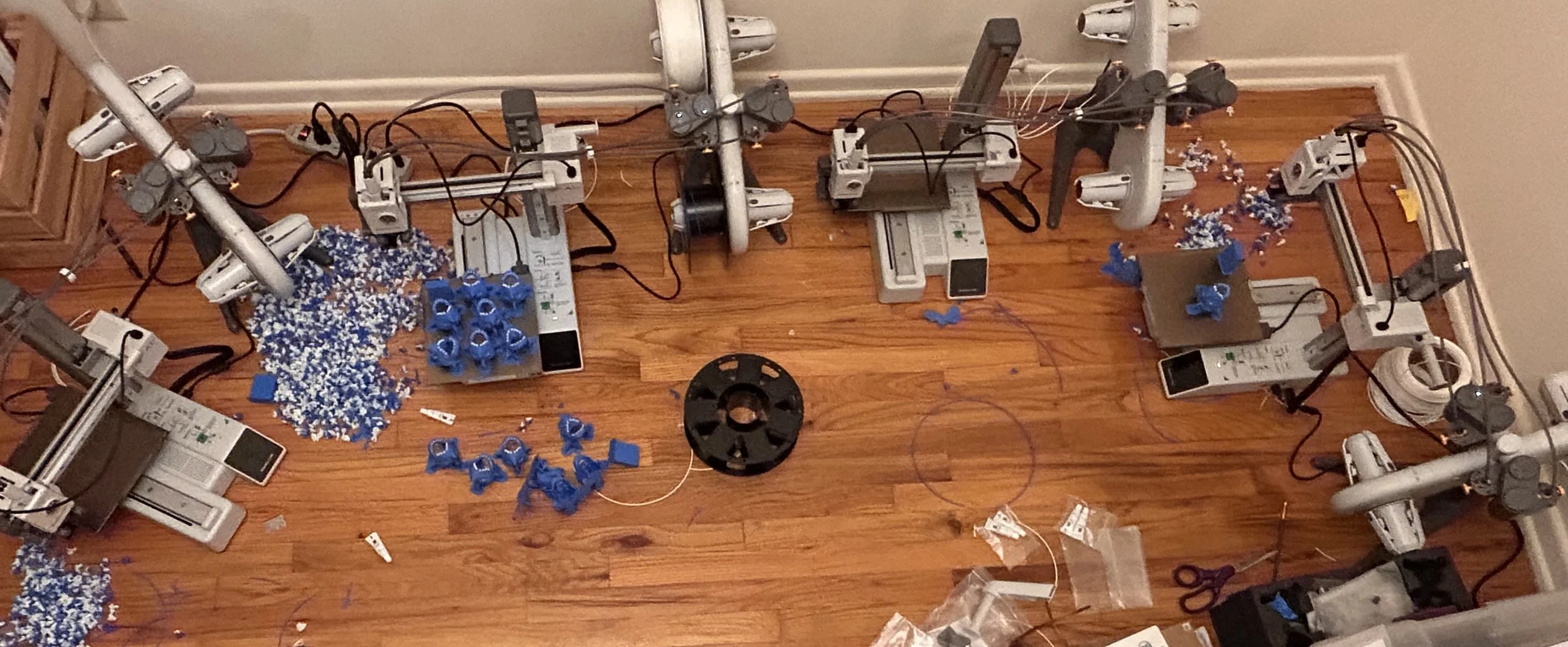
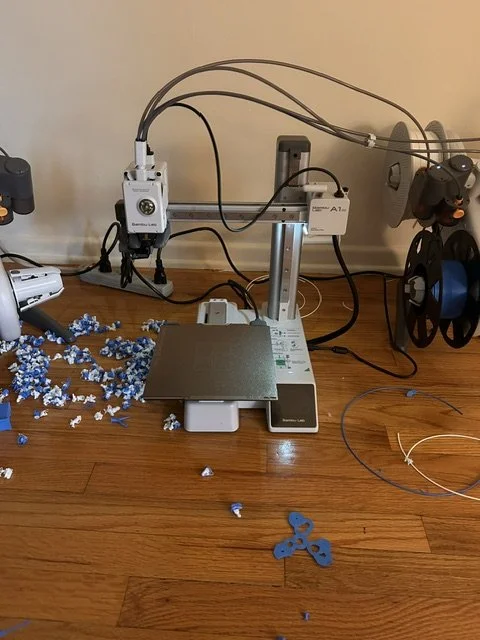
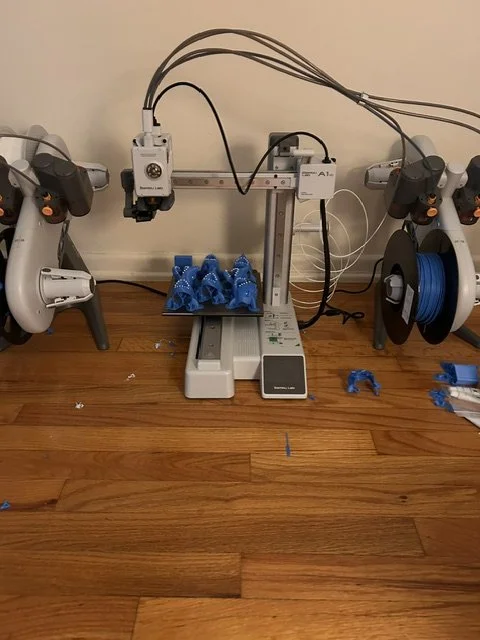
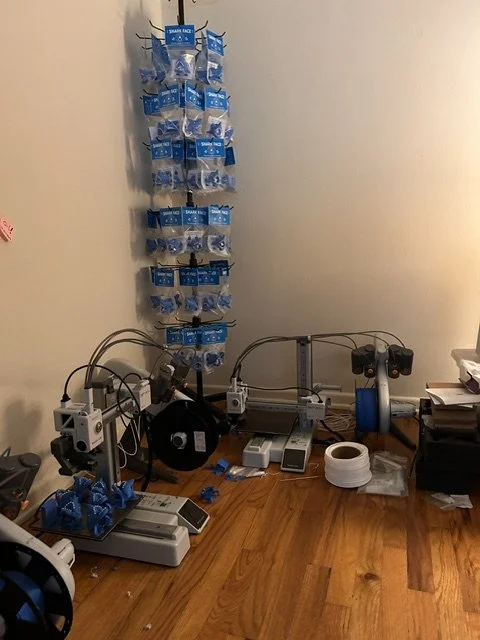
Eventually, affordable 3D printers and a better computer gave me the chance to bring my ideas to life myself. After a few failed attempts at outsourcing, I realized the best person to build my vision was me. So I learned Blender, taught myself 3D printing and the various materials, and turned my apartment into a tiny print farm. (Shout out to video tutorials!)
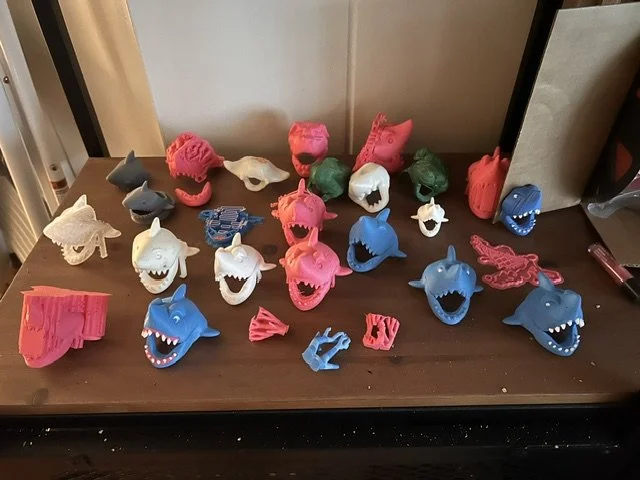
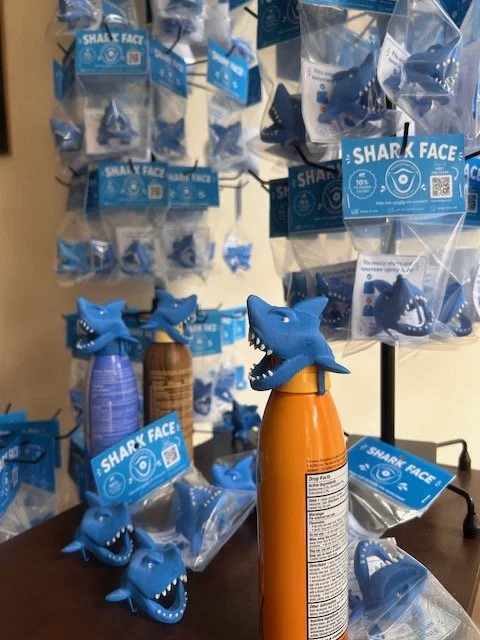
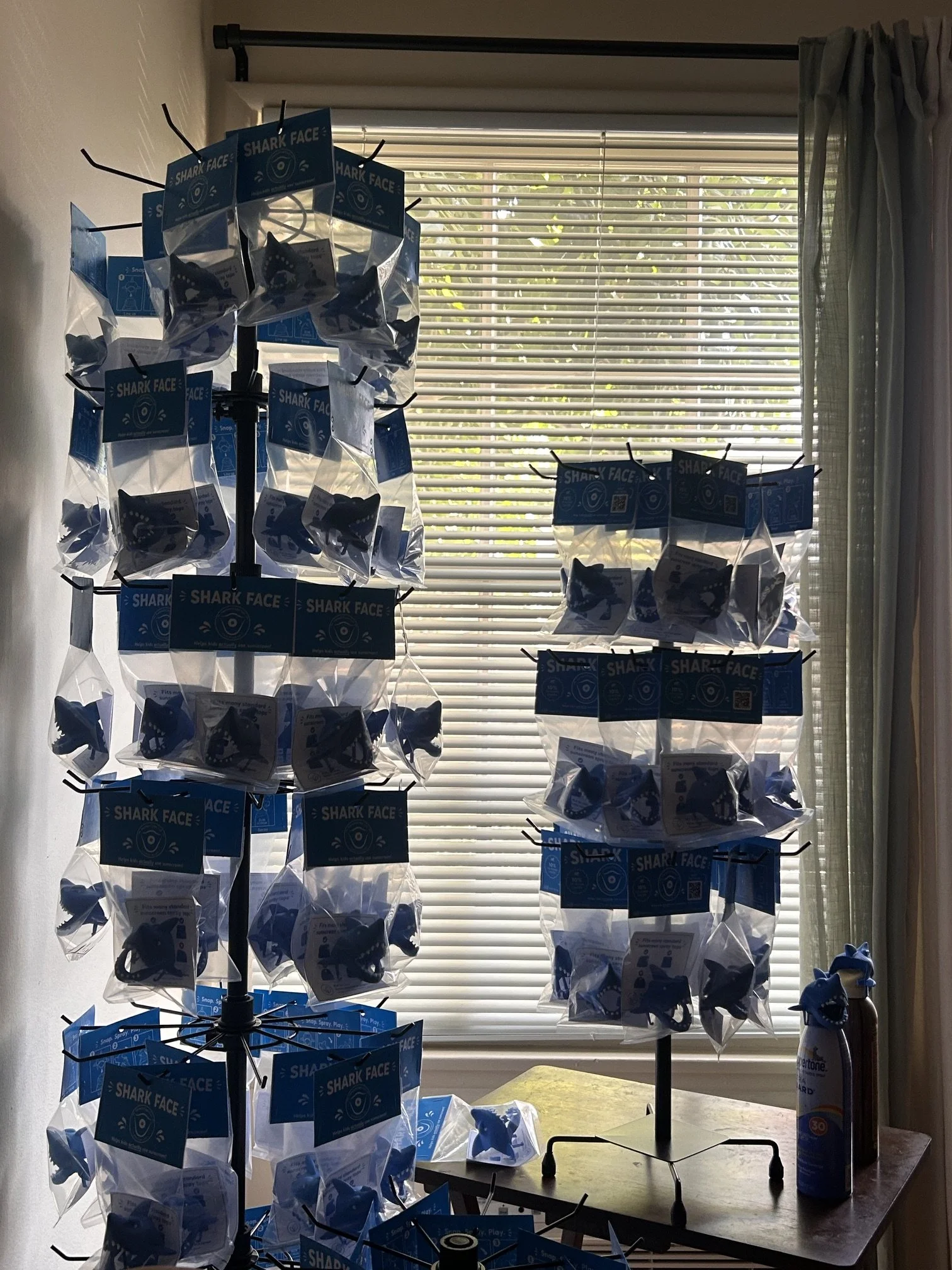
Today, every FantastiCaps design starts in Blender, gets prototyped on the 3D printer running on my living room floor, and is tested, tweaked and printed by me.
Now, I’m learning business.
I want to build one I can be proud of - thoughtfully, creatively and in good conscience. That means making products that bring a little joy, being honest about the materials I use, working toward better ones, and giving back to causes that help protect our oceans—and humans alike.
This is just the beginning.
Welcome to FantastiCaps.
-Kelsey
Building Responsibly
One of the reasons I love 3D printing is that I can make only what I need.
No warehouses full of unsold inventory. No giant production runs before I'm confident in a design. Just ideas, prototypes, improvements, and products made thoughtfully.
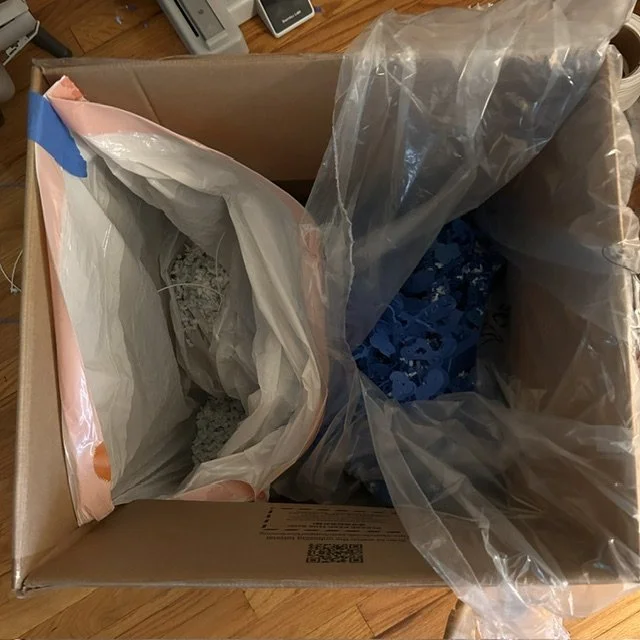
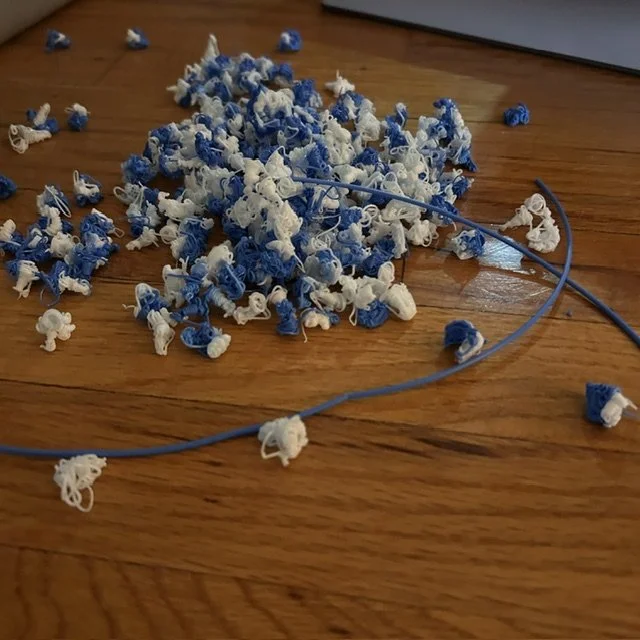
But, 3D printing isn't perfect. When printing multiple colors, the machine has to purge one color before switching to another, which creates plastic waste. Those little piles of extrusion snaps collect on the floor next to my printers, and after my day job I often find myself sorting through them—thinking about how to reuse them, reduce them, or someday recycle them back into a spool.
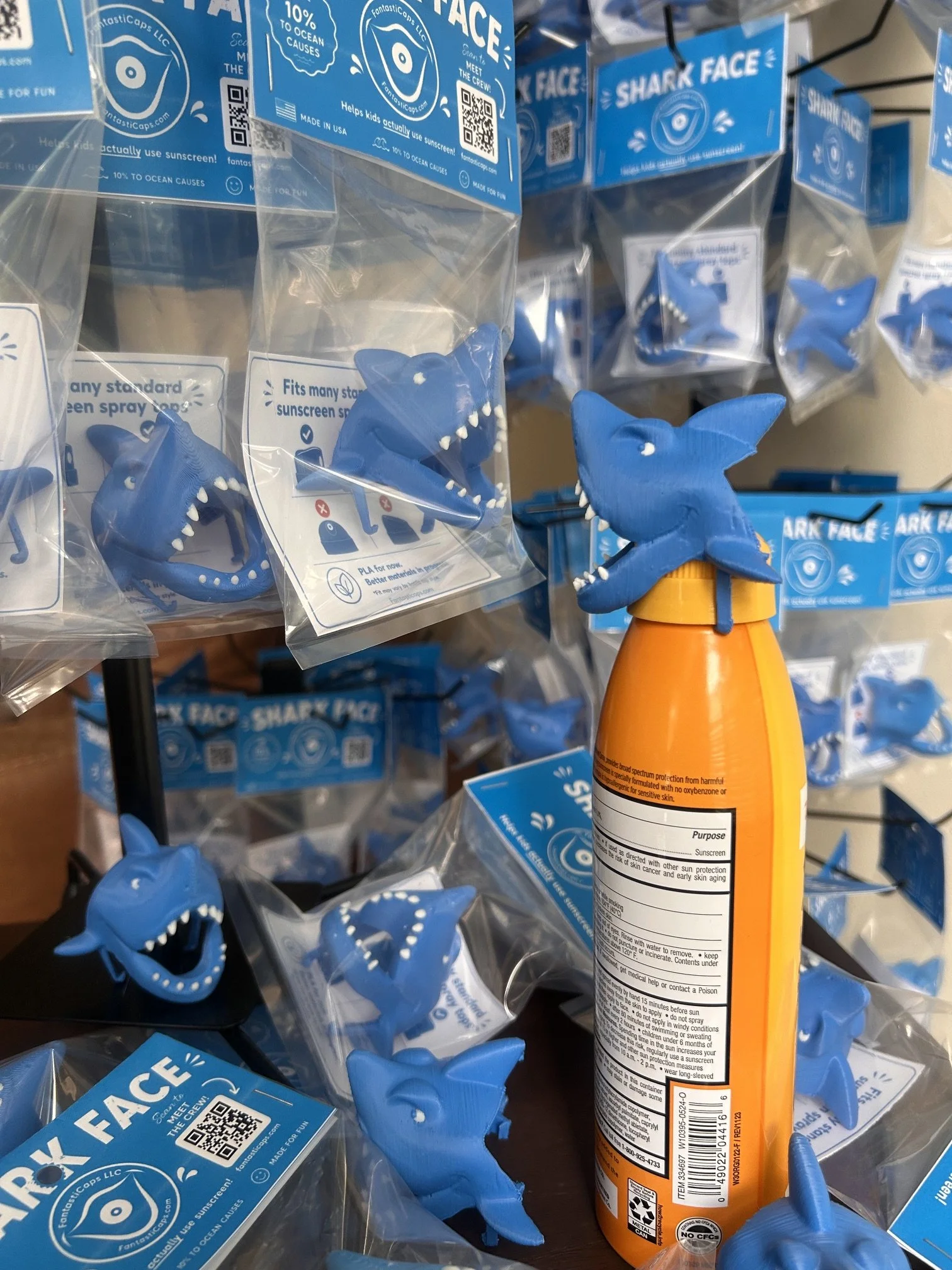
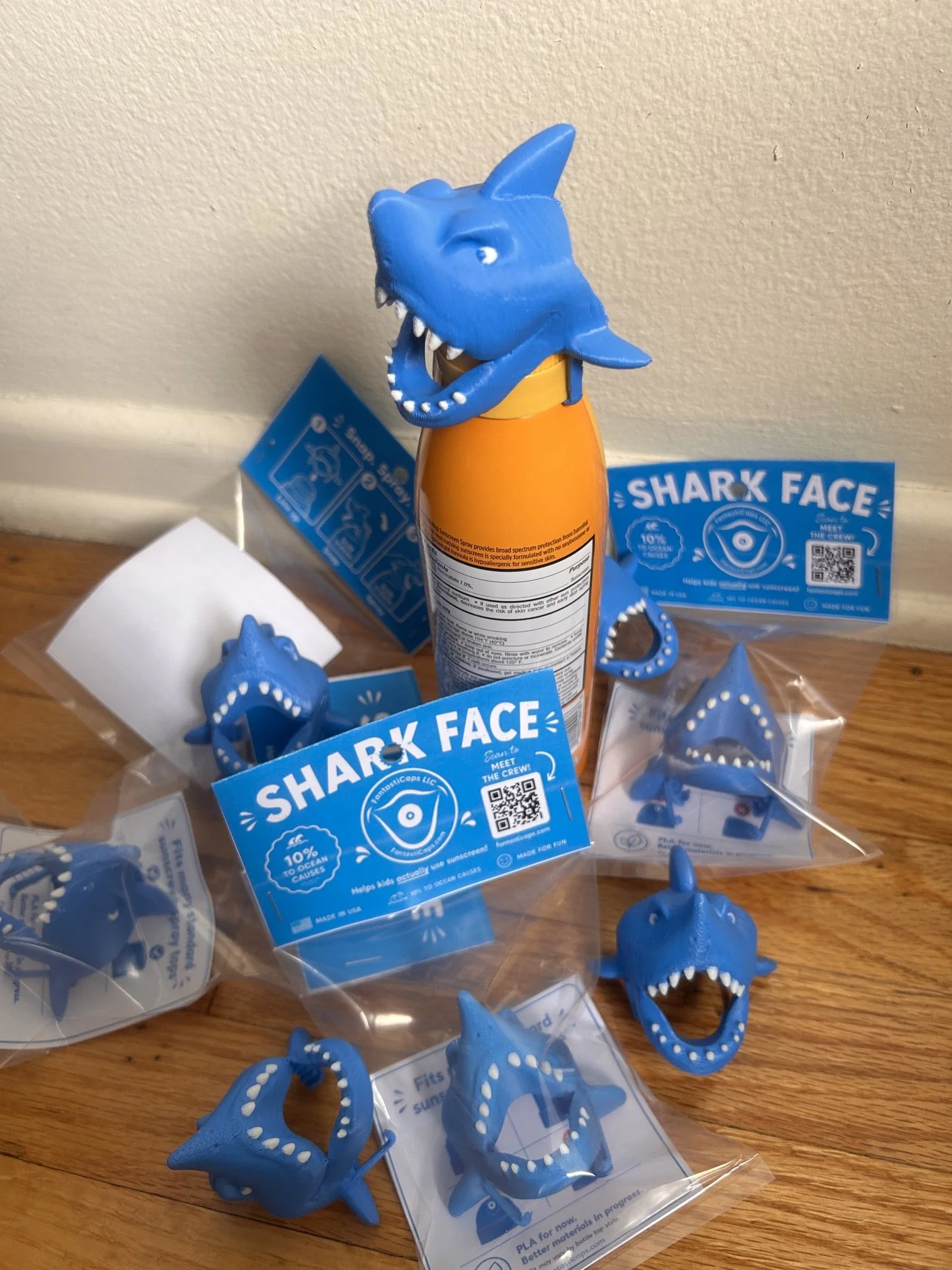
FantastiCaps are currently printed in PLA—a plant-derived plastic—and I'm actively exploring better materials and manufacturing methods as they become available, and available to the US.
I don’t have all the answers but I do believe small businesses have the opportunity to build differently: to be honest about tradeoffs, to improve over time, and to care about the impact they make.